Choosing the right roof style for your home is a big decision. Should you go with the sleek, modern look of a flat roof or the classic, weather-resistant design of a pitched roof? This guide breaks down the pros and cons, including costs, maintenance, and longevity, tailored to the UK climate, to help you make the best choice.
Quick Comparison Chart
| Feature | Flat Roofs | Pitched Roofs |
|---|---|---|
| Cost | Lower upfront costs, faster installation | Higher initial cost, long-term value |
| Maintenance | Regular inspections, prone to pooling | Minimal upkeep, less frequent repairs |
| Lifespan | 10-25 years (depending on material) | 50+ years with proper care |
| Best For | Modern homes, extensions, terraces | Traditional homes, areas with heavy rain |
Flat Roof Example: Ideal for extensions or modern designs.
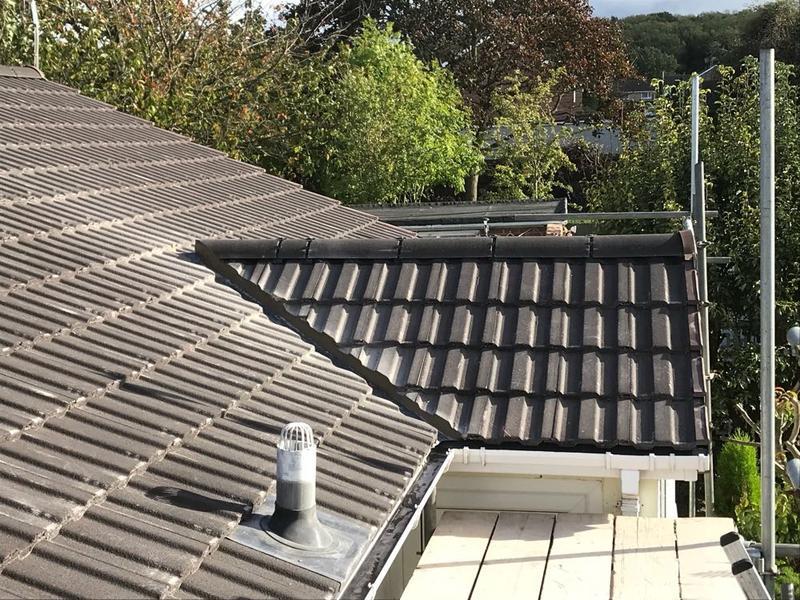
Pitched Roof Example: Suited for traditional homes or areas with frequent rainfall.
UK Climate Considerations
In the UK, where rain and snow are common, roof durability is key.
- Pitched Roofs: Naturally shed water and snow, reducing the risk of leaks and structural damage. They’re ideal for areas with frequent heavy rainfall.
- Flat Roofs: Prone to water pooling, so proper drainage is critical. Modern materials like EPDM membranes improve weather resistance.
Cost Breakdown
- Flat Roofs: Installation costs range from £50 to £100 per square metre, depending on materials. Additional waterproofing and insulation may increase the price.
- Pitched Roofs: Costs typically start at £150 per square metre due to the complexity of construction, but their long-term durability often offsets the higher initial investment.
Maintenance Checklist
Flat Roof Maintenance Tips
- Check for water pooling after heavy rain.
- Inspect the waterproof membrane for cracks or damage twice a year.
- Clear debris and clean gutters regularly.
- Ensure proper drainage outlets are functioning.
Pitched Roof Maintenance Tips
- Inspect roof tiles or slates annually for cracks or displacement.
- Clean moss and algae to prevent water retention.
- Check flashing around chimneys and skylights for leaks.
- Trim overhanging branches to reduce debris buildup.
Questions to Ask a Roofing Contractor
When choosing a contractor, ask these key questions to ensure you make the right decision:
- What materials do you recommend for my roof type, and why?
- Can you provide examples of similar projects you’ve completed?
- What warranties or guarantees do you offer?
- How do you handle drainage and waterproofing for flat roofs?
Environmental Impact
- Flat Roofs: Ideal for eco-conscious homeowners. They can be used for rooftop gardens, solar panels, or even small recreational spaces.
- Pitched Roofs: Better insulation means lower energy costs, making them a great choice for reducing your carbon footprint.
FAQs
1. Can a flat roof be converted to a pitched roof?
Yes, but it requires significant structural work. It’s best to consult with an expert to assess feasibility.
2. How long does it take to install a pitched roof?
Installation times vary but can range from one to three weeks, depending on the roof size and complexity.
3. What’s the best material for a flat roof in the UK?
EPDM rubber or fibreglass is recommended for its durability and weather resistance.
Expert Advice from Agaskin Roofing
Still undecided? Contact our team at Agaskin Roofing for a free consultation. We’ll help you evaluate your needs, explain the pros and cons of each option in detail, and provide a tailored quote.
